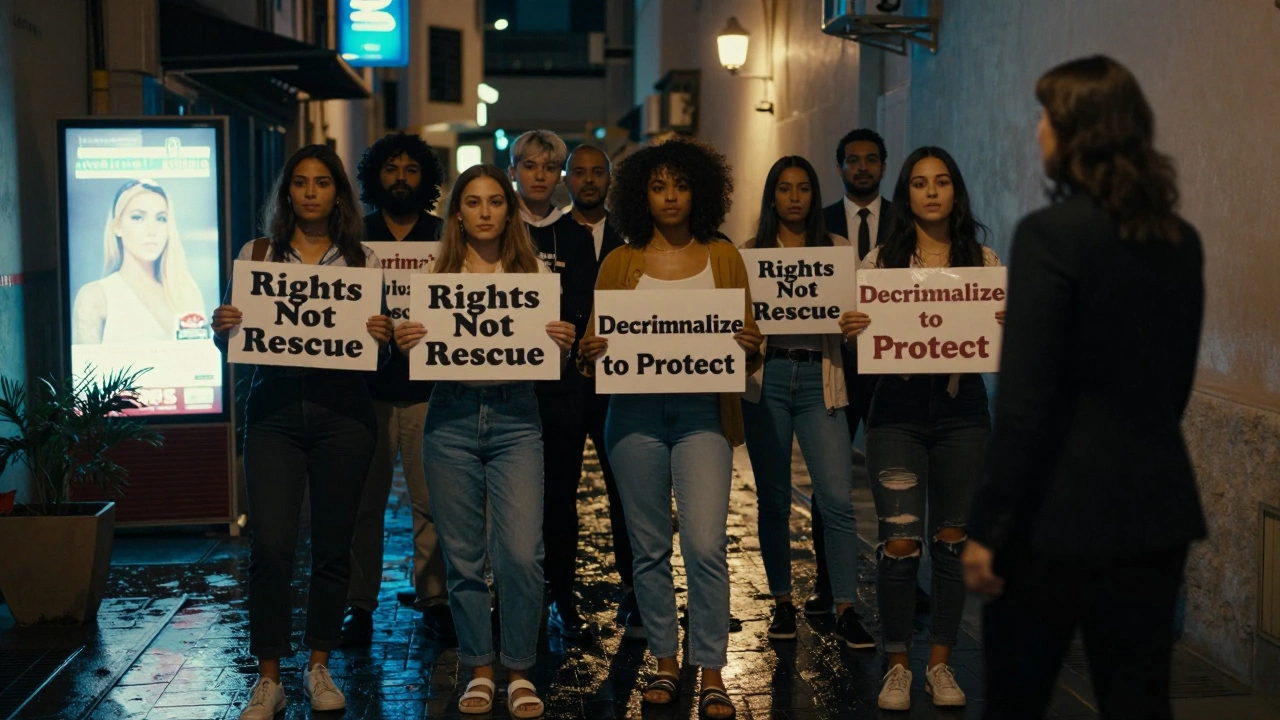
When the United Nations Human Rights Council urged countries to decriminalize sex work in 2024, it wasn’t just another policy suggestion. It was a clear, evidence-backed call to protect human rights, reduce violence, and end the stigma that pushes people into dangerous conditions. But one of the most visible organizations claiming to fight for gender equality-Equality Now-stayed silent. Worse, they’ve actively opposed decriminalization for years, aligning themselves with outdated moral panic instead of global human rights standards. Their position doesn’t protect anyone. It endangers people who are already marginalized.
Meanwhile, in places like Dubai, the underground economy thrives in the shadows of strict laws. You’ll find ads for happy ending spa dubai, offering services that blur the line between wellness and sex work. These aren’t just random listings-they’re symptoms of a system that criminalizes survival. When sex work is illegal, workers can’t report abuse, access healthcare, or negotiate safety. They’re forced into hidden corners, where exploitation is easier and help is harder to find. The same logic applies to massage erotic dubai and erotic massage dubai marina-terms that reflect demand, not deviance. Criminalizing the transaction doesn’t erase the need. It just makes it more dangerous.
What the UN Actually Said
In July 2024, the UN Special Rapporteur on the Right to Health released a report titled ‘Decriminalization Is Public Health.’ It reviewed data from 37 countries where sex work was decriminalized or partially legalized. The results were consistent: HIV transmission dropped by up to 40%, violence from clients and police decreased by over 50%, and access to legal aid and health services improved dramatically. The report didn’t say sex work should be promoted. It said it should be treated like any other labor-regulated, safe, and free from coercion.
That’s not radical. It’s medical. It’s legal. It’s what the World Health Organization, Amnesty International, and Human Rights Watch have all endorsed since 2012. But Equality Now still calls sex work inherently exploitative. Their 2023 policy paper claims all sex work is trafficking. That’s not just wrong-it’s dangerous. It conflates voluntary work with forced labor. It ignores the voices of sex workers themselves, who repeatedly say they want rights, not rescue.
Who’s Really Being Protected?
Equality Now’s stance is built on a myth: that criminalization protects women. But the data says otherwise. In New Zealand, where sex work was fully decriminalized in 2003, sex workers report higher safety, better working conditions, and more trust in law enforcement. In Germany, after partial decriminalization in 2002, over 70% of sex workers said they felt more respected and had access to social benefits. Meanwhile, in countries like Sweden and Norway, where only clients are criminalized (the so-called Nordic Model), sex workers still face violence and police harassment. They’re forced to work faster, in riskier places, and avoid reporting crimes for fear of being deported or fined.
Equality Now supports the Nordic Model. They’ve lobbied for it in Canada, the UK, and Australia. But they never ask the people doing the work what they think. They never cite studies from sex worker-led organizations like the Global Network of Sex Work Projects. They don’t mention that in Vancouver, where decriminalization has been advocated since 2013, outreach programs have seen a 30% drop in overdose deaths among sex workers since 2020. Real protection comes from legal rights, not moral judgment.
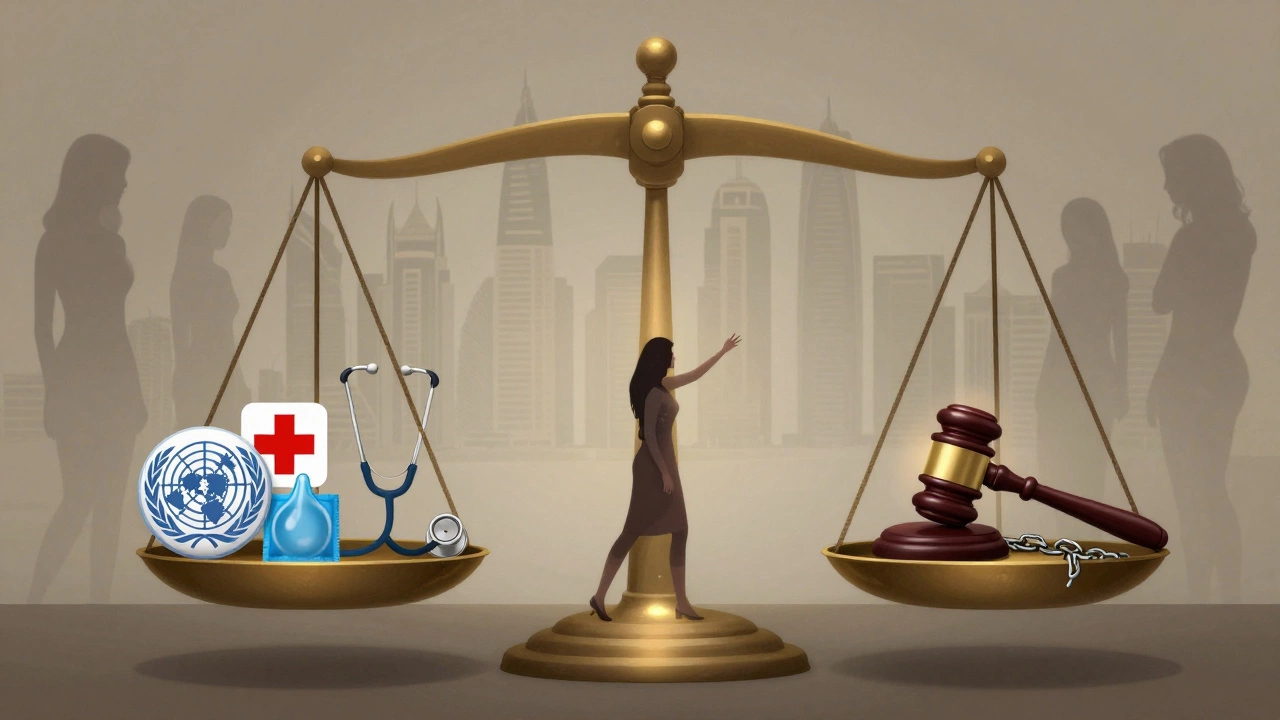
The Hypocrisy of ‘Rescue’
Equality Now frames its opposition as feminist. But feminism isn’t about speaking for women-it’s about listening to them. The majority of sex workers in the Global South, including those in Southeast Asia, Latin America, and Africa, support decriminalization. A 2022 survey by the International Committee on the Rights of Sex Workers in Asia found that 89% of respondents believed decriminalization would improve their safety. Yet Equality Now’s campaigns rarely feature these voices. Instead, they amplify stories from Western NGOs that assume all sex work is abuse.
This isn’t protection. It’s paternalism. It’s the same logic that once told women they couldn’t vote because they were too emotional. Or that told Black people they weren’t ready for equality. The difference now is that we have data. We have lived experience. And we have a global consensus from human rights bodies that criminalization does more harm than good.
Why This Matters Beyond Borders
Equality Now is based in New York, but their influence reaches everywhere. They advise governments. They shape international policy. When they oppose decriminalization, they don’t just stall progress-they give cover to authoritarian regimes that use ‘moral protection’ as an excuse to crush dissent. In Russia, Uganda, and Indonesia, laws against sex work are used to target LGBTQ+ communities, activists, and migrants. Equality Now’s silence on these abuses speaks louder than their statements.
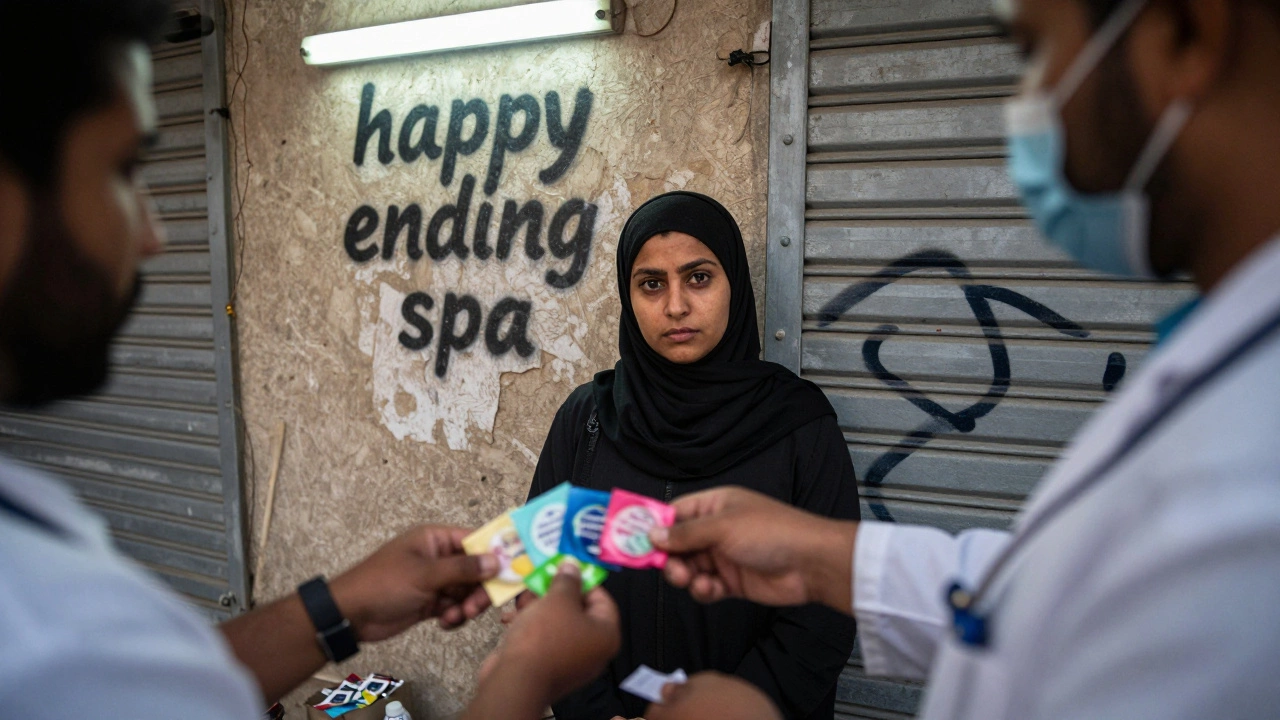
Meanwhile, in Dubai, the same laws that ban sex work also ban condom distribution in public health clinics. Workers who test positive for STIs are deported. Clients who assault workers are rarely prosecuted. The result? A public health crisis hidden behind closed doors. No amount of moral outrage will fix that. Only legal recognition and access to labor rights will.
The Real Solution Isn’t Criminalization-It’s Rights
Decriminalization doesn’t mean no rules. It means rules that protect people, not punish them. It means sex workers can form unions. It means they can open bank accounts. It means they can call the police without fear of arrest. It means they can access prenatal care, mental health services, and housing support without being labeled ‘immoral.’
Equality Now claims to fight for equality. But true equality means letting people make choices about their own bodies and livelihoods-even when those choices don’t fit your comfort zone. If you believe in human rights, you can’t pick and choose who deserves them.
What You Can Do
Support organizations led by sex workers, not those speaking over them. Groups like the Global Network of Sex Work Projects, the Red Umbrella Fund, and the Vancouver Sex Workers’ Action Coalition are pushing for real change. Donate. Amplify. Demand your representatives support UN recommendations, not outdated ideology.
And if you’re reading this because you’ve seen ads for happy ending spa dubai or erotic massage dubai marina-ask yourself: Why are these services hidden? Who profits from their secrecy? And who pays the price when they’re criminalized?
Why does Equality Now oppose decriminalizing sex work?
Equality Now opposes decriminalization based on the belief that all sex work is inherently exploitative and linked to trafficking. They argue that legalizing it normalizes harm. But this view ignores evidence from sex workers themselves and global human rights bodies that show decriminalization reduces violence and improves safety. Their stance relies on moral assumptions rather than data or lived experience.
What does the UN recommend about sex work?
The UN Human Rights Council and the World Health Organization recommend full decriminalization of sex work. They cite evidence from countries like New Zealand and Germany showing that decriminalization reduces HIV transmission, lowers rates of violence, and improves access to healthcare and legal protection. The UN does not promote sex work-it promotes the rights of those who do it.
Is decriminalization the same as legalization?
No. Legalization means the government creates rules and permits for sex work-often requiring licensing, zoning, or health checks. Decriminalization removes criminal penalties entirely and treats sex work like any other labor. It doesn’t require permits or government approval. It simply removes laws that punish workers, clients, and managers. Decriminalization gives more power to workers; legalization often gives more control to authorities.
Does decriminalization increase trafficking?
No. Studies from the London School of Economics, the Global Network of Sex Work Projects, and the Lancet show that decriminalization makes trafficking harder to hide and easier to identify. When sex work is criminalized, traffickers blend in with legal workers. When it’s decriminalized, workers can report abuse without fear, police can focus on real coercion, and victims are more likely to come forward.
What’s wrong with the Nordic Model?
The Nordic Model criminalizes clients but not workers. It sounds fair, but in practice, it pushes sex work further underground. Workers rush to close deals, avoid screening clients, and avoid police-even when they’re being attacked. Sweden’s own data shows no drop in demand, and sex workers report increased danger. The model punishes the vulnerable while letting buyers off the hook with minimal consequences.