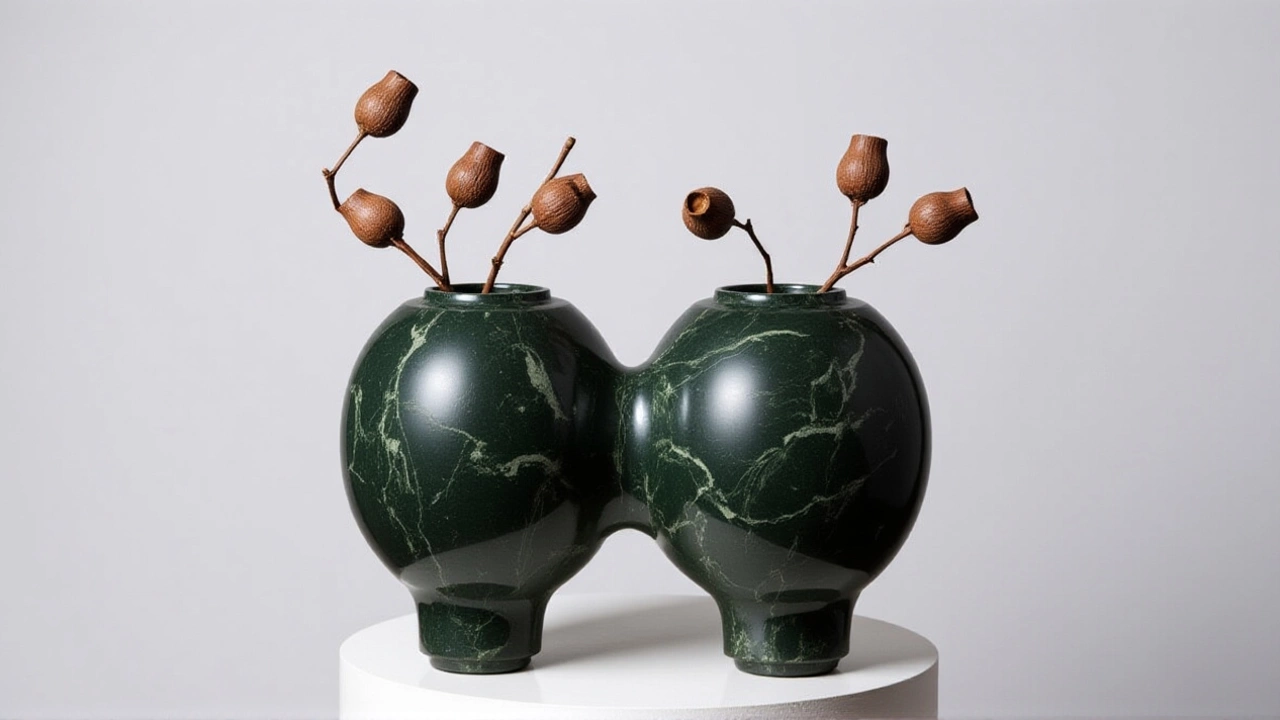
Something is shifting in the way we look at luxury. A New York-based artist is turning heads by stripping away traditional jewelry conventions and reimagining precious stones in ways that feel less like heirlooms and more like wearable sculpture.
The trend isn't just about aesthetics; it's a reaction to decades of rigid industry standards. While major houses in Paris and Milan stick to classic cuts, this emerging voice in New York City is pushing boundaries with raw edges, unexpected pairings, and designs that challenge what a diamond or ruby should look like on the body.
The Shift from Tradition to Texture
For years, the fine jewelry world operated on a strict rulebook: symmetry, clarity, and setting perfection were non-negotiable. But here’s the thing—modern collectors are bored. They want personality. They want imperfection. This new wave of design embraces the rough-hewn beauty of unpolished gems, leaving facets exposed or embedding stones in unconventional materials like resin, concrete, or oxidized metals.
It’s not just a stylistic choice; it’s a philosophical one. By treating precious stones as organic elements rather than static assets, these artists create pieces that feel alive. The result? Jewelry that doesn’t sit quietly on a shelf but demands attention through its sheer audacity.
Redefining Value
Traditionally, value in gemstones was dictated by the Four Cs: Cut, Color, Clarity, and Carat weight. Today’s contemporary creators are adding a fifth C: Concept. A flawed emerald might be worth less in a traditional appraisal, but if it’s set in a piece that tells a compelling story about sustainability or emotional resilience, its cultural value skyrockets.
This shift mirrors broader changes in the art world, where provenance and narrative often outweigh technical perfection. Galleries in Chelsea and Brooklyn have begun showcasing these works alongside paintings and installations, blurring the line between craft and high art.
Why Now? The Cultural Context
The timing feels right for several reasons. First, there’s a growing fatigue with fast fashion and mass-produced accessories. Consumers are seeking unique, one-of-a-kind pieces that reflect their individuality. Second, social media has democratized design appreciation. Instagram and TikTok allow independent artists to bypass traditional gatekeepers and connect directly with buyers who value innovation over brand names.
Additionally, the pandemic sparked a renewed interest in tactile experiences. People craved objects they could hold, touch, and wear—items that provided comfort and connection in an increasingly digital world. Jewelry, inherently intimate, became a focal point for this desire.
Influence of Global Trends
This movement didn’t happen in isolation. It draws inspiration from global artisans who have long worked with irregular forms. Japanese kintsugi, which repairs broken pottery with gold, celebrates flaws rather than hiding them. Similarly, West African beadwork often uses asymmetry to convey meaning. New York designers are synthesizing these influences into a distinctly urban aesthetic.

Reactions from the Industry
Not everyone is on board. Traditional jewelers argue that deviating from established norms risks devaluing precious materials. “There’s a reason certain cuts have endured for centuries,” says one veteran craftsman. “They maximize brilliance and durability.” Yet younger consumers disagree, prioritizing artistic expression over resale value.
Gallerists note a surge in demand for experimental pieces. “We’re seeing collectors buy based on emotion, not investment potential,” explains a curator in Manhattan. “If a piece moves them, they’ll take it home, regardless of whether it follows conventional rules.”
What’s Next for Contemporary Gem Design?
Expect to see more collaborations between jewelers and other disciplines. Imagine a sculptor working with a lapidary expert, or a programmer using algorithms to generate stone settings. Technology will play a bigger role too, with 3D printing enabling complex geometries previously impossible to achieve by hand.
Sustainability will also drive innovation. As ethical concerns grow around mining practices, designers may turn to lab-grown stones or recycled materials, further challenging perceptions of authenticity. The future of jewelry lies not in preserving tradition, but in redefining it.

Background: The Evolution of Modern Jewelry
To understand today’s revolution, we must look back. In the early 20th century, Art Deco introduced geometric precision. Mid-century modernism favored clean lines and minimalism. Each era reflected its societal values. Now, in an age of information overload and identity fluidity, jewelry reflects complexity and contradiction.
Pioneers like René Lalique and Coco Chanel once disrupted their industries with bold choices. Today’s artists stand on their shoulders, continuing the legacy of rebellion against convention. Whether you view this as progress or pretension depends on your perspective—but one thing is clear: the conversation has changed.
Frequently Asked Questions
Who is leading this new wave of contemporary jewelry design?
While no single name dominates, several New York-based artists are gaining traction. These creators often operate independently or through small studios, leveraging social media to build audiences. Their work appears in boutique galleries across Manhattan and Brooklyn, attracting collectors interested in avant-garde aesthetics.
How does this style differ from traditional fine jewelry?
Traditional jewelry emphasizes symmetry, polished finishes, and standardized cuts. Contemporary designs embrace asymmetry, raw textures, and unconventional materials. Stones may appear uncut or partially embedded, focusing on artistic expression rather than optical perfection.
Is this trend limited to New York?
No, similar movements are emerging globally. Cities like London, Tokyo, and Berlin host vibrant communities of experimental jewelers. However, New York’s status as a cultural hub gives it disproportionate influence, making local innovations visible worldwide.
Will these pieces hold their value over time?
Value depends on context. Unlike traditional diamonds, which have established markets, contemporary pieces derive worth from artistic merit and scarcity. Collectors who appreciate the creator’s vision may find lasting satisfaction, even if resale options remain limited.
Where can I view examples of this work?
Look for exhibitions at alternative art spaces, design fairs, and online platforms dedicated to independent makers. Many artists also sell directly via websites or Instagram shops, offering insights into their creative processes alongside finished products.